







Read Time:4 Minute, 35 Second
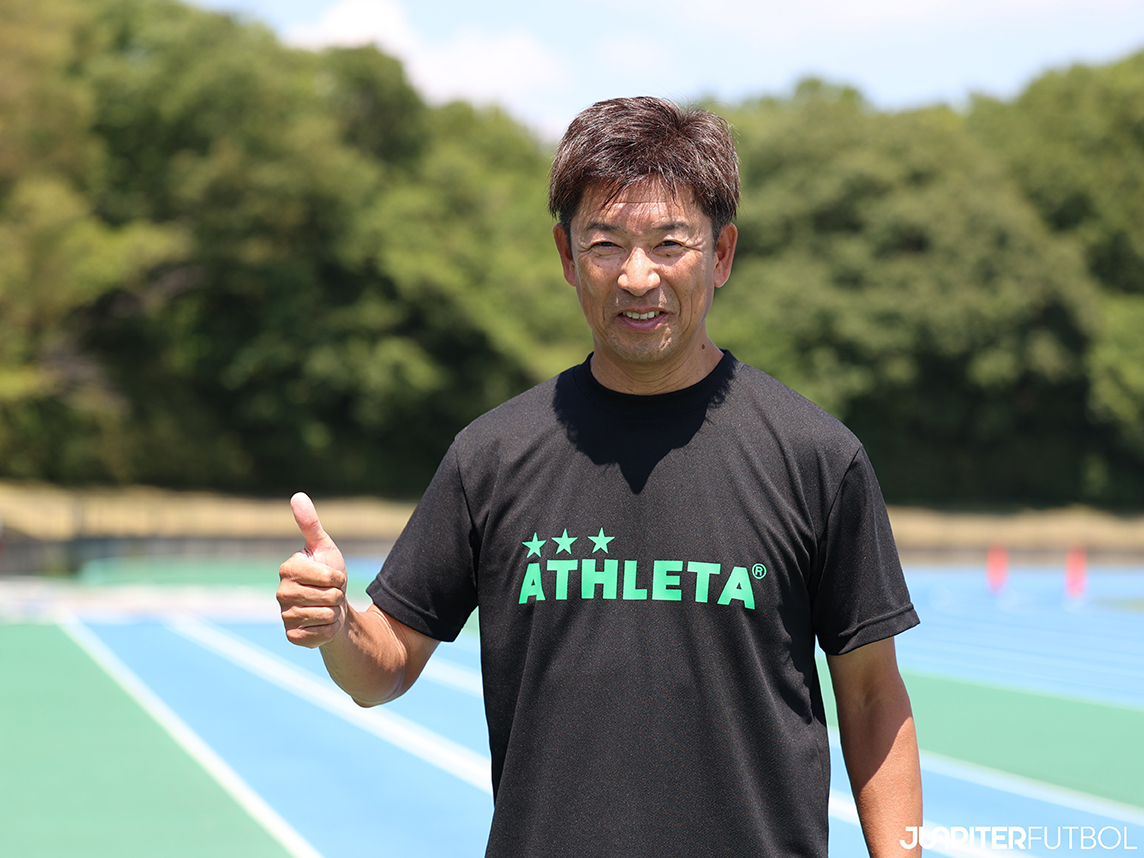
When you walk into Tokyo Verdy’s training complex, there’s a sense of history and ambition in the air. Once the giants of Japanese football, Verdy are now a club with renewed energy, carefully balancing tradition with a modern vision. At the heart of this revival is Atsuhiko Ejiri, a Shizuoka native, former midfielder with JEF United Ichihara, and now the man shaping Verdy’s technical direction.
Born in 1967, Ejiri captained Shimizu Commercial High School to its first national high school championship before going on to Meiji University and eventually playing in the early days of the J.League. He enjoyed a steady career with JEF United Ichihara and also represented the Japan National Team in 1993, playing alongside his hometown peer, King Kazu. Since hanging up his boots, he has taken on a series of coaching roles—ranging from JEF Chiba to Japan’s U-23 Olympic side—before arriving at Tokyo Verdy in 2020 as Technical Director.
What makes Ejiri’s role at Verdy unique is that he wears more than one hat. He is officially the Technical Director, but his responsibilities extend into what most clubs would call the General Manager’s role. It means he is not only overseeing the technical direction and player development but also arranging new signings, negotiating with agents, and carefully piecing together the squad every season. In short, he is central to almost every football decision the club makes. Since taking charge, he has overseen Verdy’s long-awaited promotion back to J1 in 2023 and a remarkable sixth-place finish in 2024.
When asked about his outlook for the club’s future, Ejiri’s response was clear and consistent: youth development sits at the core of Tokyo Verdy’s vision. “It’s about the development of young players from the academy up to the first team,” he explained. With Verdy’s U-18s currently leading the youth league, the pathway is proving effective, and the club is confident in promoting more talent to the senior side in the coming years.
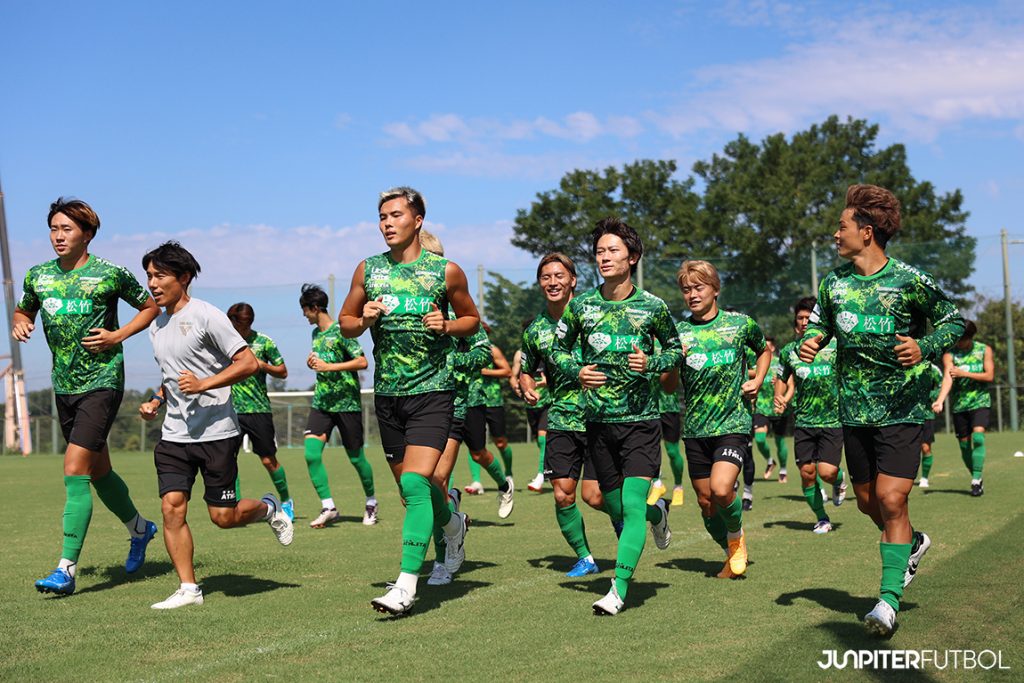
Tokyo Verdy during training
Under his leadership, Verdy’s transfer and recruitment strategy has been both pragmatic and ambitious. Instead of chasing marquee signings, Ejiri and his team have prioritized young, hungry players who fit the club’s aggressive playing style. Strategic loan deals, such as those that brought in attackers like Yudai Kimura and Hiroto Yamami, have paid dividends. At the same time, the club is building a reputation as a place where young players know they will get opportunities to grow and showcase themselves. This philosophy has also proven cost-effective. Despite working with one of the leanest budgets in J1, Verdy managed to put together what many in Japan have described as the “best cost-performance squad” in the league last season.
The discussion turned to Singapore, where Tokyo Verdy has forged connections in recent years. Several Singaporean coaches have been attached to the club over the past two seasons, and forward Danelle Tan has made headlines as the first Singaporean woman to play for Verdy’s women’s side, Beleza. Ejiri admitted he doesn’t know Singapore football deeply but praised the partnership. “The exchange you’re having with Singapore is very good. It’s not just the Singaporean coaches who are learning from us—our coaches are also learning from them. The Singapore coaches you’ve sent here are very good, talented, and always show effort. We learn not only about football but also language and communication. It’s mutual development, not one-way.”
Despite Verdy’s history and progress, Ejiri remains grounded about where the club still needs to grow. “We’re working very hard on identifying and training the more talented academy players, giving them the right advice and opportunities. If we can push them to the next level, whether domestically or overseas, then we know we’re doing our job right.” Asked about the chance of Verdy coming to Singapore for a training match or exchange, Ejiri smiled and nodded. “Sure, we are definitely open to such discussions and opportunities.”
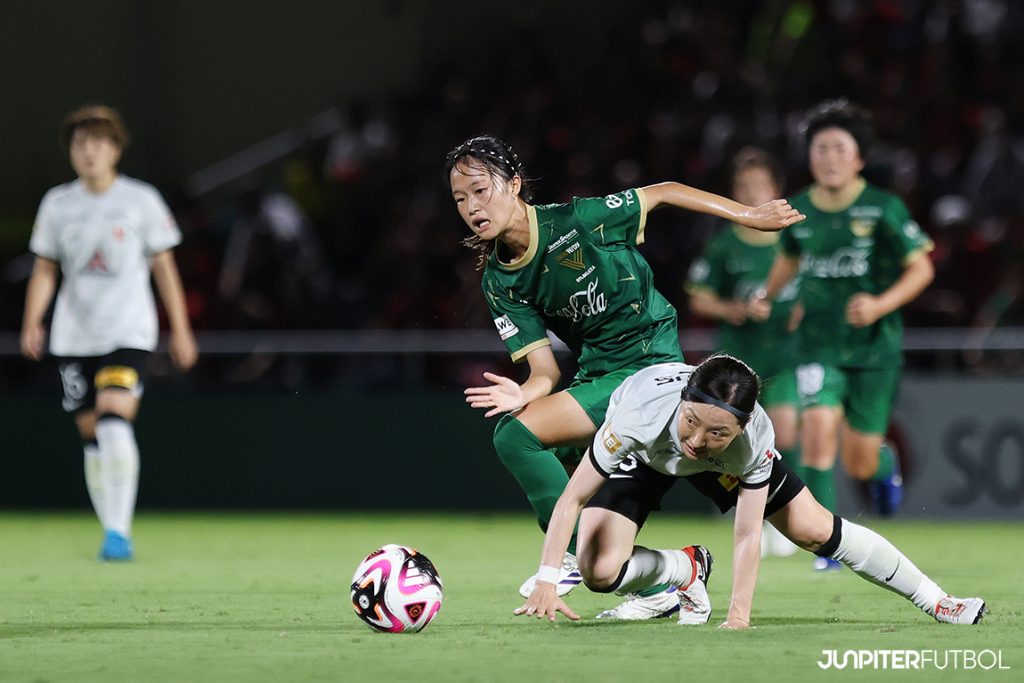
Tokyo Verdy Beleza against Urawa Reds Ladies in WE.League
No conversation with a man from Shizuoka is complete without a mention of Kazuyoshi Miura, the evergreen King Kazu. Both Ejiri and Miura hail from Shimizu, and their careers have run in parallel for decades. “We’re of the same age and from the same hometown,” Ejiri recalled warmly. “We got along well. He has always been a superstar, but what makes him special is not just his talent. Even now, his body may not be the same, but his mentality, his spirit, his passion for football have never changed. Even if he’s not paid a lot, he would still play. That’s who he is.”
Tokyo Verdy’s revival has been one of the most talked-about stories in Japanese football over the past two years. Under Atsuhiko Ejiri’s leadership, the club has found balance between ambition and sustainability—developing academy talent, making shrewd recruitment choices, and reinforcing its identity as a place for growth. Verdy’s return to the J1 spotlight may have been long in the making, but if Ejiri’s vision takes root, the next five years could see the club not only competing at the top but also exporting homegrown talent to the world stage.
Thank you Tokyo Verdy for this exclusive interview. And special mention to SingaCup, Asia’s Premier International Youth Football Tournament for making this trip possible.

Happy
67 %

Sad
0 %

Excited
33 %

Sleppy
0 %

Angry
0 %

Surprise
0 %
Please follow and like us:


