








Read Time:4 Minute, 54 Second
I returned from Jakarta carrying more than just photos, notes, and the familiar fatigue that follows tournament coverage. There was a quiet weight this time — the kind that settles in only after witnessing something truly meaningful. Covering the AFC Futsal Asian Cup was never just about results or headlines. It was about being inside the region’s biggest futsal stage, surrounded by thousands of voices in Indonesia Arena, and being reminded once again why football stories continue to pull me across borders and years.
On the night of the final, more than eleven thousand Indonesian supporters filled the indoor arena with belief. They sang without pause, drums echoing through the enclosed space where every sound felt louder and closer. Every pass, every tackle, every mistake carried an emotion that travelled far beyond the court. In moments like these, futsal shows a kind of purity that is sometimes harder to find in the larger game — the crowd is nearer, the rhythm is faster, and the feelings are almost within reach.
Jakarta also brought me back to an earlier memory. I found myself thinking about the FIFA Futsal World Cup in 2012, when I watched the evergreen King Kazu step onto a World Cup stage and fulfil a lifelong dream, even if it was not in the eleven-a-side tournament the world usually celebrates. That experience, together with seeing legends like Ricardinho and Falcão in person, shaped how I understand futsal — a game built on persistence, creativity, and pure love. Jakarta felt like another chapter in that same long journey.
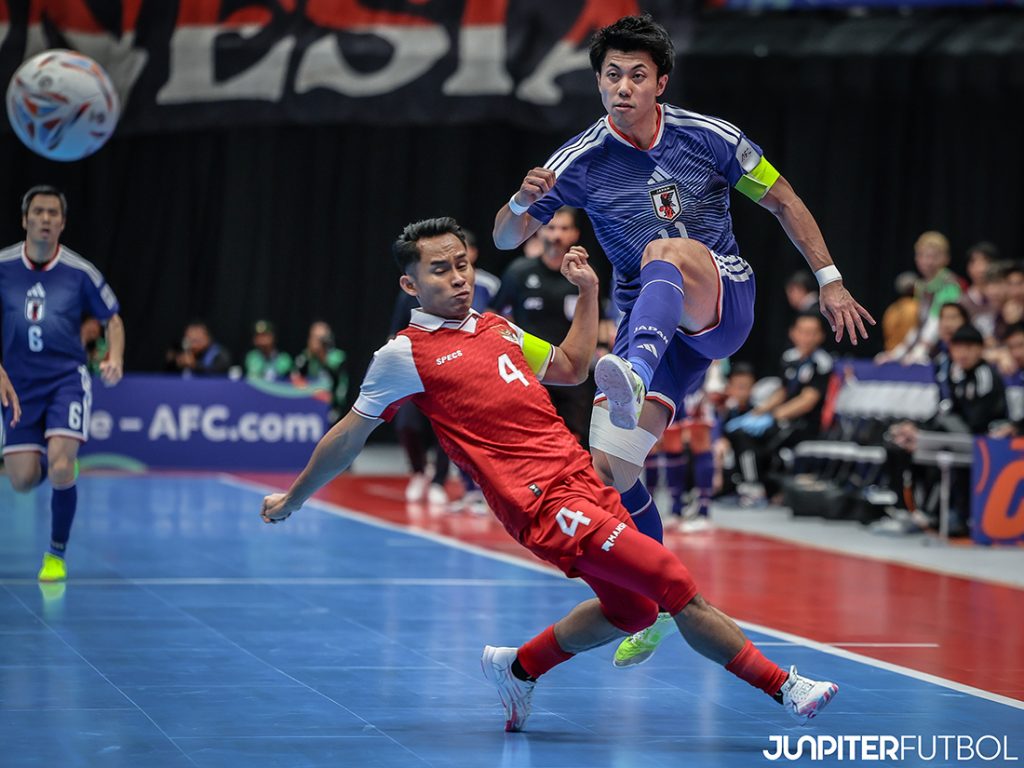
I only arrived in the city from the semi-final stage onward, yet Indonesia’s run immediately surprised me. They were known to be competitive, but reaching the final was beyond what many expected. Their semi-final against Japan showed a clear contrast in styles. Japan moved with familiar organisation and discipline, every rotation measured and controlled. Indonesia attacked with aggression and unpredictability. At times their play looked unconventional, even chaotic, yet that very unpredictability unsettled Japan again and again. Those decisive transitions eventually carried the hosts into the final, lifting the entire arena with them.
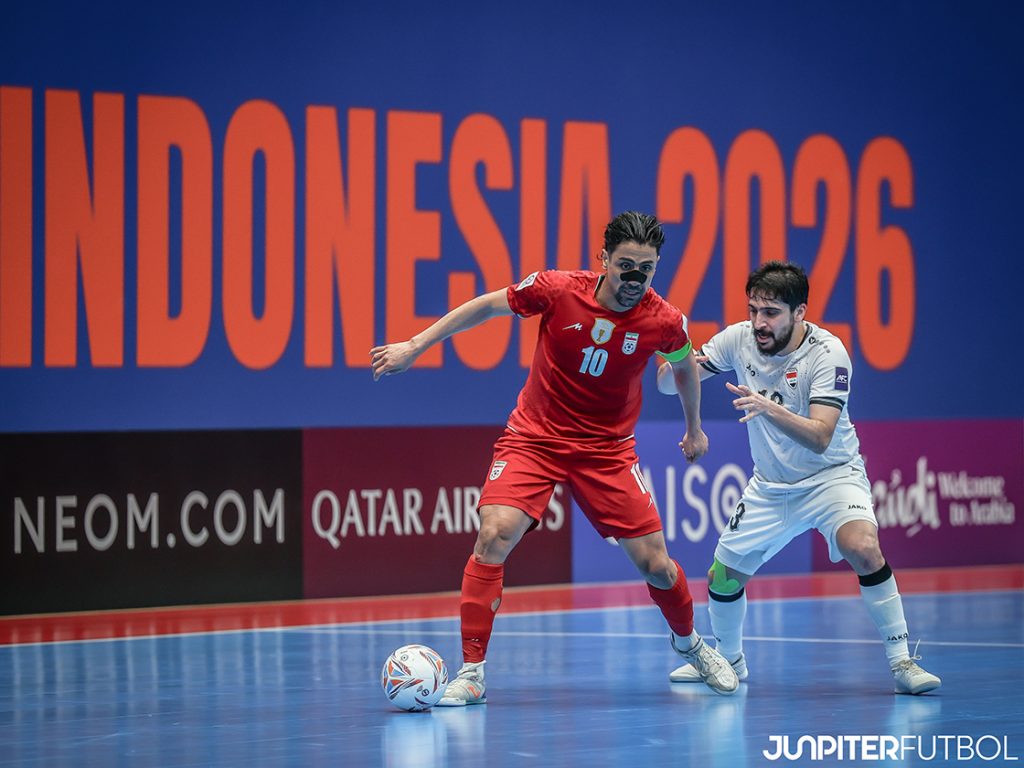
The other semi-final between Iran and Iraq had a different rhythm — slower in pace but rich in tactical patience. Iraq struck first, but Iran never looked rushed. Their experience stayed calm in the background, waiting for the right moment. When it came, composure spoke louder than urgency. In futsal, experience rarely needs to shout.
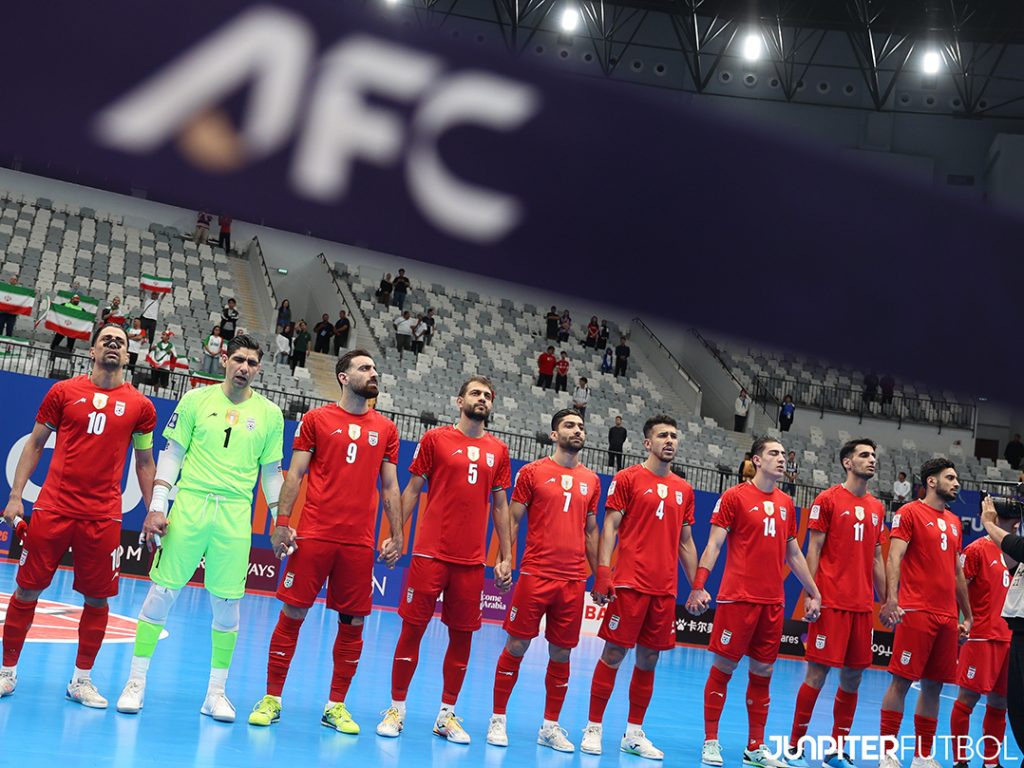
History suggested the final would follow a familiar path. Iran had already lifted the Asian title thirteen times and entered as strong favourites. Indonesia, historically, stood far from that level. Yet football has always had a way of challenging history at the most dramatic moments.


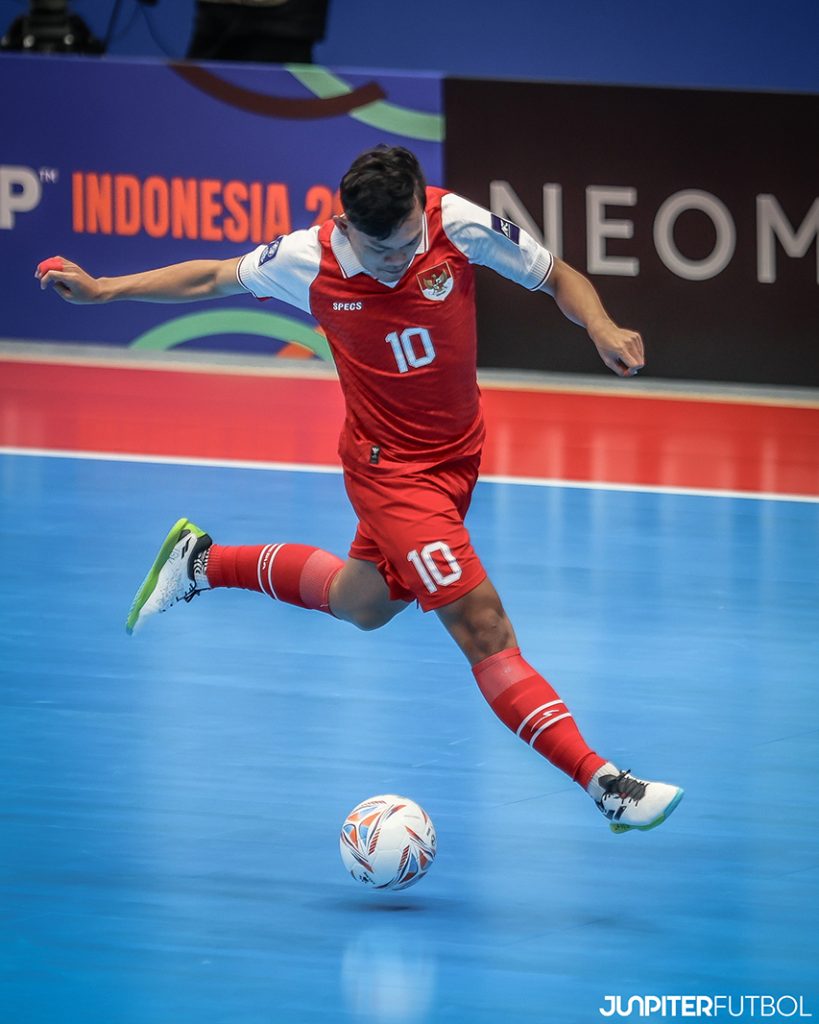
Iran scored first, as expected, but Indonesia refused to fade. They fought back, surged forward with belief, and at one point even led 3–1. Inside Indonesia Arena, belief turned into energy — flags moving in waves, drums rolling without stop, songs rising toward the roof. For a brief moment, even Iran looked shaken, with misplaced passes and visible frustration creeping into their game.
By the end of extra time, the score stood at 5–5, sending the final into a penalty shootout. In that decisive moment, Iran’s calmness under pressure made the difference. They held their nerve to win 5–4 on penalties and secured a record-extending 14th AFC Futsal Asian Cup title after one of the most dramatic finals the tournament has seen.
Being in Jakarta was an eye-opening reminder of what regional tournaments truly mean. Beyond tactics and technique, what stayed with me most was the connection between team and nation — an arena filled with belief, players drawing strength from every chant, football expressed in its most personal and human form.
Yet journeys like this rarely end at the final whistle. They leave behind questions that follow you home. As I reflected on the passion and identity Indonesia showed, one thought kept returning to me: when will Singapore truly have its own national futsal team again?
Not a temporary squad formed out of necessity. Not a last-minute selection before a tournament. But a real and continuous programme built with intention.

I still remember the makeshift Tiger Futsal Series teams in the 1990s, largely made up of eleven-a-side players adapting to a different format. In 2015, former Thai international Pattaya Piemkum led Singapore at the AFF Futsal Championship — a moment that hinted at structure, yet did not last.
More recently, hope has come from the ground. Kampung Buangkok FC, founded in 2020, became the first Singapore futsal team to compete in an overseas league when they joined the Brunei Futsal League. Self-driven and self-funded, they finished fourth in their debut season. More than a result, it was a signal that belief still exists within the community, even without a strong domestic ecosystem. In many ways, Singapore’s futsal progress in the 2020s has been carried more by grassroots passion than by an established national pathway.
These moments prove something simple: the passion exists, the players exist, and the dream is still alive. What remains missing is continuity, structure, and long-term commitment.

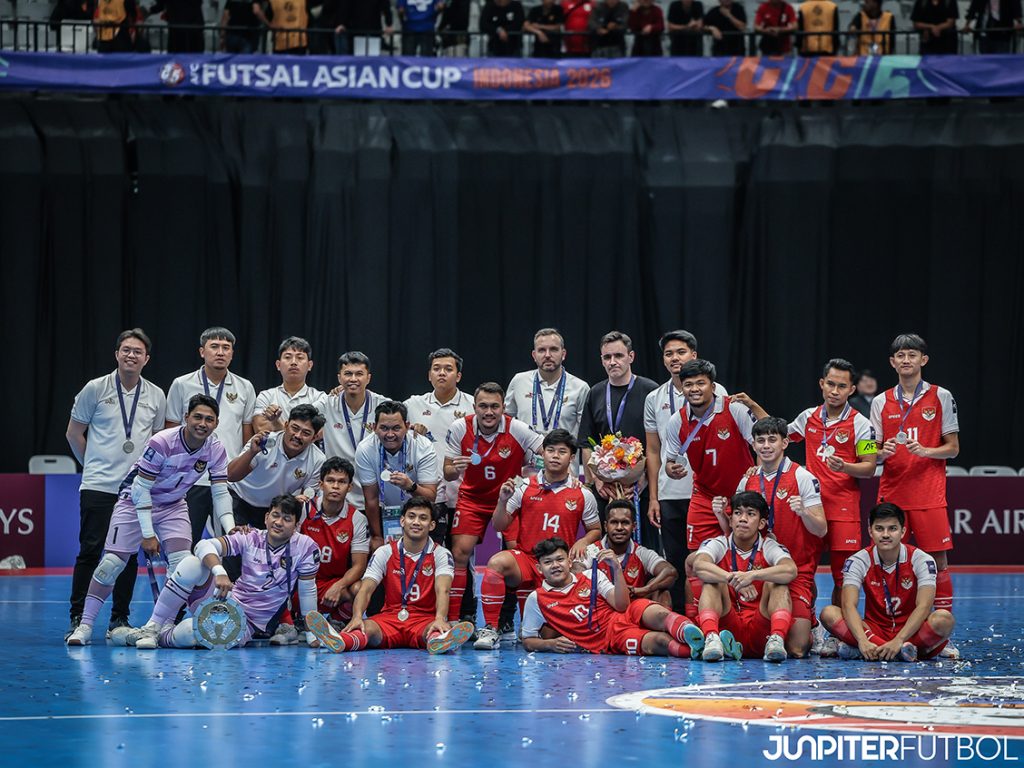
Watching Indonesia reach the final in front of more than eleven thousand roaring supporters does more than inspire admiration. It invites reflection. One day, I hope to feel that same electricity not as a visiting reporter in another nation’s arena, but as a Singaporean inside our own.
Iran left Jakarta with the trophy. Indonesia left with pride. Asia left with another unforgettable futsal memory. I left carrying something quieter — a lingering question, and perhaps a small measure of hope.
Because futsal keeps teaching me the same gentle truth: football dreams do not disappear. They simply wait for someone to believe in them again.
Maybe Singapore’s futsal moment is still waiting to be written.

Happy
100 %

Sad
0 %

Excited
0 %

Sleppy
0 %

Angry
0 %

Surprise
0 %
Please follow and like us:


